
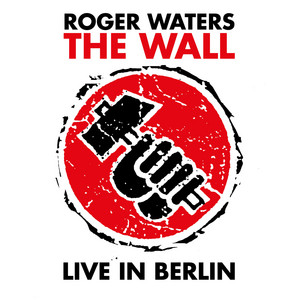
If anything, this particular album is a bold stroke of a symbolic gesture. The arguably repressive U.S.S.R. regime had suffered a major blow in late 1989, when the Berlin Wall was finally torn down, reuniting Germany and signalling the end of the Cold War that had threatened world peace for such a long time. This was good news on multiple fronts, and Roger Waters mentioned in an interview that he wanted to perform in the area where the Berlin Wall was unofficially declared “no man’s land” aka Death Strip. Think of the DMZ dividing North and South Korea today, and you have the European equivalent back in 1989. Roger Waters immediately hit the phones once the Berlin Wall had crumbled and managed to get a huge array of famous musicians of the time (and to a large extent, famous today as well) to perform at this one-off event recorded back on the 21st of July 1990, produced by Roger Waters and Nick Griffiths. Recorded live on the night and released exactly a month later, this was not critically well received over the years. Having said that, it still should be listened to as it is an integral part of musical history. Let’s take a listen to this ambitious project, and we shall hear if it is any good today or not.
In The Flesh? features band The Scorpions. It begins with some crowd applause and cheering before some strange and different sounds arise as the band gets ready for the long night ahead. Soon enough, a woo-hoo is screamed and this song launches into a fantastic rendition of the classic song on The Wall. This is very theatrically brilliant throughout, and stays very close to the original version of the song, with some Metal-styled guitar shredding throughout. All in all, this is very awesome and stays true to the artistic vision that Roger Waters and Pink Floyd had back in 1979. A very dramatic and interesting listening experience. This eventually follows into a great set of singing by The Scorpions, alongside some really great harmonies in the background. Nonetheless, this is absolutely awesome and great to listen to. A fantastic song to begin with, but made more powerful by the guests on this song. Top notch. It ends with a dramatic conclusion of guitars and drums, over the sound of an aeroplane descending into a furious crash. It then finishes up with the sound of the baby crying over the audience’s applause. Very, very nice.
The Thin Ice features Ute Lemper and the Rundfunk Orchestra & Choir. This launches into a different-sounding rendition of the original recording, which quite frankly, doesn’t sound that good. Ute Lemper’s singing is very good, although she sounds completely out of place on this live recording. Her voice is followed by harmonies and eventually, Roger Waters sings about the alienation and despair that modern life brings, some years before Radiohead were even around. It is a good listen, having said that. It launches into a thunderous Rock Music-styled listen in the second half, with loud and wailing guitars over the instrumental section. Neat. It leads into the next section and song afterwards.
Another Brick in the Wall (Part 1) features Garth Hudson on saxophone. It begins with the chugging and delayed guitars similar to the original recording. Roger Waters sings nicely here, although he doesn’t have the greatest singing voice ever. This is a suspenseful and theatrical piece of music that does a great deal of justice to the original. It sounds lively and fantastic, with some awesome guitars and electronics throughout. Really very cool. It seems that Roger Waters himself is the master of theatrics and suspense in a musical way. The saxophone eventually enters, adding some unique and tasteful flavour to this live tune. It sounds really amazing, and bongos are present as well. A really awesome and lively tune from start to finish, this does sound really great to hear. It leads into the helicopter sound from the original recording of The Wall before segueing into the next song.
The Happiest Days Of Our Lives features Stan Farber, Jim Hass, John Joyce and Joe Chemay. It continues with the helicopter sounds and launches into the song about social alienation at school. This has some low baritone-styled vocals and sounds dramatically British and different. After the manic laughter, Roger Waters sings the final lines before this piece launches into the climatic finale with soothing harmonies, and segues into the next song.
Another Brick In The Wall (Part 2) features Cyndi Lauper, The Bleeding Heart Band and Thomas Dolby as guests. From the start, this sounds a bit off and cheesy for this song. Cyndi Lauper should really not be singing this song, and her appearance is not well thought out. Even so, hardcore Pink Floyd will listen to this, but most of the general music-loving public will not. It sounds, quite frankly, awful. This is proof of the fact that, without David Gilmour and the rest of Pink Floyd, Roger Waters has a huge ego in a musical sense. That is best represented here. This has dated badly as well, which isn’t a good thing. This is fairly repetitive to listen to. Soon enough, some very good-sounding guitar solo playing, possibly on a Gibson Les Paul, emerges. It is very similar to the final recorded guitar solo on the main album of The Wall. It is nicely matched with organ and simplistic drumming. This soloing continues nicely, followed by an extended guitar solo cut for this tune. It certainly is an interesting take on the original song, but likely will divide fans of the original album. Nonetheless, this does sound very good and makes up for the trashiness of the verses and chorus. The playing and performances are really, really sweet to hear. Following it is an organ solo, which is okay but this is very close to Progressive Rock excess. It is not the 1970s anymore, and Roger Waters obviously didn’t get that fact. A fuzz guitar solo emerges as well. By this point, one can skip ahead, as this is rather unnecessary listening. It finally finishes with the looped vocal samples from the song on the album. It segues into the next song with the telephone dialling sound.
Mother features singer Sinead O’Conner and The Band. It begins with some nice acoustic guitar strumming, and weirdly enough, an accordion. This is not a good listen to hear by this point. It seems that Roger Waters’s ego has swamped the music of Pink Floyd by 1990. Very sad to reflect on this matter. Sinead O’Conner sings quite well in this song, and her voice is unique and pretty. One still cannot help but think that this album is a bit disappointing regardless, and is just a money-making exercise for Roger Waters, to be frank. This is okay, but definitely not sensationally amazing. On paper, this album would sound great, but has aged terribly since its release. Some heavy electric guitar enters at points, and The Band sing along as well. The singing is really atrocious and does not sound at all decent. Again, a serious music listener will hear this garbage and will probably hit stop at this point, which is a fair thing to do. Eventually, a searing guitar solo gives the song some slight relief to listen to. Still, this is undeniably old, dated and atrocious to listen to. Sinead O’Conner returns on lead vocals, and this song continues to drag on. It is a six-minute-long piece of excrement and destroys a good song. In any case, this will make many shake their heads in disbelief. Not on. Roger Waters clearly assembled this idea without properly thinking about quality control of the music. It continues on, as dull as a 9-5 Monday to Friday office job. It finally ends after six and a half minutes, thank goodness for that.
Goodbye Blue Sky features Joni Mitchell, the Rundfunk Orchestra & Choir and James Galway. It begins with the birds chirping from the album, and a deep, dark keyboard sound. The dialogue sampled begins, followed by acoustic guitar playing and unnecessary string sections thrown into the mix. Fortunately, this song is a lot shorter here. Joni Mitchell’s singing is terrible, and she clearly should not be here on this album. There is a flute in the background as well, which actually sounds surprisingly good. Still, trash is trash and we are listening to a junk album in the history of music to some extent. An awful butchered listening experience, this is just not on. The original album is a far better representation of these songs. If you are still with us, hit stop and go and do something else. The song here is just terrible. The extended conclusion also could have been cut down. Not worth hearing, except for hardcore fans of The Wall. It ends with some crowd cheering and applause regardless.
Empty Spaces/What Shall We Do Now? features Bryan Adams and the Rundfunk Orchestra & Choir. It begins with the sampled chatter, and launches into a dark and heavy rendition of the original song, with some screaming and delayed guitar sounds. Nonetheless, this is very interesting to listen to. The guitar sounds are a bit different to the original recording, and this live rendition sounds very warped indeed. Soon enough, drums kick in and the guitars wail away, tinged with melancholy galore. This is very suspenseful. Roger Waters begins to sing here, and he articulates his thoughts and feelings, with some changed lyrics from the final album version of this song. Notably, Roger Waters is a fairly left-wing political character. This quickly launches into a big rant that differs completely from the final album version. This is not on. People just want to hear something more raw and powerful of this song done live, rather than an egotistical rant. It eventually stops, and the crowd cheers and applauds, before heading into the next song.
Young Lust features Bryan Adams, with Rick Di Fonzo and Snowy White. It begins with some percussion and the awesome guitar leads from the main song itself. Nonetheless, this sounds exciting, interesting and decent, compared to the earlier songs on this live album. A real joy, the singing is amazing by Bryan Adams. He breathes life into this iconic song by Pink Floyd. This song is specifically about young male lust, likely in one’s 20s. It sounds really top and awesome, fitting the album perfectly. A really cool and interesting rendition of the original song, this is enough to convince one that, although this live album is poor quality for the most part, Roger Waters could rock out nicely as well. The guitar soloing throughout is very expressive and interesting to listen to, even if David Gilmour is not anywhere near Roger Waters by 1990. Still, the extended guitar solo section is a bit repetitive but good to hear. Soon enough, it returns to the chorus at hand. A really lively and wonderful tune, this is an extraordinarily good listen from start to finish. It is very lengthy for such a simple song, however. It wraps up after over four and a half minutes and is a definite standout moment from this live album. It is followed by audience cheering, and the sound of a dial tone occurring, leading into the next track.
Oh My Gawd, What A Fabulous Room! features Jerry Hall and is an extension of the original One Of My Turns on the original 1979 album. It begins with the album recording of telephone conversations and some conversations with the telephone operator. This goes on for some time before this rather psychologically dark piece of music begins. Unfortunately, Jerry Hall completely ruins this otherwise average part of this album. She sounds aggressive as well, which is clear to hear on this recording. A stinker.
One Of My Turns has the lead vocals here with his band (no guests here) and articulates the horror and difficulties that a relationship can have. Indeed, the vast majority of the human race has experienced heartbreak. It is a deep, dark and brutal assessment of the dark side of a love/sex-based relationship. Roger Waters articulates the situation perfectly. It quickly launches into the climatic section of the song, and Roger Waters puts his descriptive feelings of a relationship turned sour. Sometimes, not all the time, but sometimes it is better to remain single than be married with children. Roger Waters puts some of the deepest, darkest psychoanalysis into music. It finishes up with a great vocal by the main man and segues into the next song.
Don’t Leave Me Now launches into a really poor rendition of the song at hand. It sounds like something mediocre sonically, which makes this piece lacking compared to the album version. This song is among one of the darkest songs about relationships you will ever hear in your life. It’s about losing one’s love permanently and details some abuses in a relationship. Sadly, violence and disorder are not limited to love-based personal relationships and Roger Waters no doubt analyses this subject very well. Be warned, this is very psychologically disturbing music, although it is intended to be so. Being the king of misery of this song, this is a dramatic and interesting listen. It eventually launches into the musical section of the song, which has some descriptively awesome guitars to listen to. If you have mental health trauma issues related to relationships, this may not be an easy listen. At the end are some keyboards and the audience cheering, as this gradually builds up in suspense to the following song section. This is very, very dark and no doubt Trent Reznor (of Nine Inch Nails) would have been inspired by The Wall in the quest to make The Fragile (1999) album. It segues into the next track.
Another Brick In The Wall (Part 3) features the Rundfunk Orchestra & Choir. It begins with the sound of glass breaking, and Roger Waters launches himself into ego overdrive, as part of the story of The Wall. Even with Roger Waters’s unusual personality, this is a fantastic listen for this live version of the song. Nonetheless, this is a real winner from this album, with the backup choir ongoing. There is a lengthy instrumental section with strings, guitars and other interesting sound effects that sound really quite unique after the main song section has concluded. This is a weird combination of music and melodies, but given that Roger Waters wanted to make something very theatrical and live, this was added in as well. Nonetheless, this is an interesting listen throughout, albeit a bit lengthy for this tune. This continues on a bit too long and eventually reaches a dramatic conclusion, which segues into the next song.
The Last Few Bricks/Goodbye Cruel World is the finale to side one, where The Wall becomes complete. It starts off with the mournful bass guitar part and sounds very sad indeed. Roger Waters sings very sadly here, and he sounds very depressed emotionally. Mind you, singing is purely about expressing vocal emotion and ability with songs. This is a very good conclusion to side one, and the crowd goes nuts upon its conclusion. Good effort here, it fades out at the end.
Hey You features Paul Carrack. It begins with crowd cheering and launches into an acoustic/electric guitar part which is highly memorable from the album itself. In any case, this does sound really good. Roger Waters sings an iconic song about breaking down barriers in the world around us, all behind a metaphorical wall of sorts. All in all, this is an emotional and suspenseful piece of music that is a great live rendition of the original 1979 version. This album has redeemed itself from its terrible start somewhat by this point, as these particular Roger Waters songs do sound a lot better. Some awesome lead guitars enter towards the midsection, and they sound extremely expressive, with some great string bending and vibrato present. This is a better listening experience than expected, and Roger Waters and his friends manage to pull it all off superbly. Some decent singing then emerges from Roger Waters and the guests, which is really cool. “…and the worms ate into his brain!” leads us to a scary scenario of the brain being consumed. Not pleasant to listen to. This eventually leads to a good final set of verses sung nicely by Roger Waters and the guests on this tune. The left-wing Socialist rally cry emerges which is highly memorable: “Together we stand, divided we fall!” Fans will be divided over this political argument, but it is interesting listening. The delayed vocals conclude this song, followed by cheering and applause.
Is There Anybody Out There? features the Rundfunk Orchestra & Choir. It begins with the sampled TV drama speech from the original album. Dark and eerie electronic sounds then begin to emerge over the recording. This is very suspenseful throughout, and one can sense the excitement and anticipation from the people hearing this music. Roger Waters sings well here, narrating in a tone of voice to the audience, hoping for humane contact. Towards the middle is a ton of audience cheering, which is really enthusiastic. Soon enough, Classical guitar enters, courtesy of guests Rick Di Fonzo and Snowy White. These are exceptionally well played on this live recording, it just sounds mind-blowingly good. A great piece of moving and sad-sounding music. Nonetheless, even in the darkest of times, there is hope. The orchestra gets going towards the end of this song, and the violin is gorgeous yet sad sounding. The song slows down nicely and concludes with the guitar, as it segues into the next tune.
Nobody Home features Rundfunk Orchestra & Choir, alongside Snowy White. It begins with some more sampled TV dialogue and has some screamed vocals over the top, followed by some sampled nonsense talk. Eventually, this song begins to go on with piano and a great deal of suspense throughout. Roger Waters sings from the heart here, although his singing is by far not the best. The crowd sings along with this moody and yearning song to attempt to make contact with other people from behind the wall. This song may be a secret ode to Pink Floyd’s founding member, Syd Barrett, who Roger Waters recorded with and who was a friend of his. All the same, this is a really fascinating and interesting, yet humane listening experience. It builds up to the climax at the end, and it sounds really cool. Roger Waters then pleads to his ex-lover for forgiveness, love and understanding. This has an extended guitar solo section that sounds really magnificent. It continues to play along nicely, in an original and a more different way than you’d expect. It ends with soothing harmonies over the top of the guitar soloing. It wraps up with the last line of lyrics, to the crowd’s approval. The next section connects this track to the next track.
Vera is an ode to the late, great Vera Lynn (a singer who only just recently passed away after living for over 100 years) and features the Rundfunk Orchestra & Choir. It is a short piece of music with some off and out-of-tune vocals at the start, and it has some very good instrumentation throughout. The orchestra sounds really tasteful and excellent and reaches an emotional climax point after one minute in length.
Bring The Boys Back Home features the Rundfunk Orchestra & Choir, and very oddly so, Band Of The Combined Soviet Forces in Germany and the Red Army Chorus. It begins with some marching drums and percussion, with some unusual screaming in the background. Eventually, Roger Waters sings triumphantly on this track, and he is the mastercrafter of suspense throughout. This combination of glorious music by the guests, alongside Roger Waters makes for a rather long piece of music, being double the time of a song that should have only been a minute long. Eventually, the crowd cheers as this tune segues into the next part of the album, with a load of looped and annoying speech samples and ambulance sirens. Weird, very very weird. It eventually wraps up for the next major moment of the album.
Comfortably Numb features Van Morrison, The Band and the Rundfunk Orchestra & Choir. It is the centrepiece of this second half of the album and is quite clearly about drug use throughout. Roger Waters related this experience to a personal situation when he was ill. Realistically, this song may be more likely to be about heroin, especially with the discussion of not feeling physical or emotional pain and the reference to needle use. In any case, this is okay a rendition of the song, but the song on the original album is miles better. The guitar solos present are absolutely fantastic and well-played, and they make this song sound even more dramatic. The second verses progress the concept of this album nicely, as the central character takes drugs prior to going on stage for a Rock show. The backing singing, is quite frankly, awful. Roger Waters could have taken some more authoritarian measures with the singing on this album. It eventually leads into the second guitar solo after another chorus run and makes the group sound like they are on fire, big time. The lead guitar soloing is brilliant, and the guitarists duke it out for attention throughout. There are some extended guitar solo sections that make this eight-minute-long piece what it is. A bit of a long listen, unless you dig Rock guitar solos. It’s just a tad long. Eventually, it returns to the bridge section of the song, and it continues on nicely to the chorus. A very dramatic and awesome listen, emotionally, even if this album is weighed down by track length. It quickly finishes to applause, which is solid.
In The Flesh features The Scorpions, The Bleeding Heart Band and the Rundfunk Orchestra & Choir. It begins with the chanting from this section of the album, before quickly leading into a dramatic and brassy-sounding piece of music with some expressive guitar leads that sound really fantastic. This is a vibrant and interesting piece of music that builds up to a musical climax with great guitars that sound superb. Really very cool throughout. Sadly, this is a bit of a drag time-wise to get through. The harmonies that eventually emerge do sound blissful, however. This continues on well, just before some good singing enters. This song is very dated sounding, but what it lacks in quality it makes up with quantity. The tune sounds very direct, particularly when the central character imagines himself to be a Fascist leader. A good tune that sounds really different, although the length of this album will no doubt be a large turn-off for serious music listeners at this point. The tune wraps with some chaotic drumming and other sounds to match. A good listen. It eventually ends with applause from the audience before leading into the next track.
Run Like Hell features The Scorpions and The Bleeding Heart Band. It begins with some interesting chanting and demonic sounds, which are very freaky. Soon enough, the guitars enter and the audience claps along nicely. The memorable guitar figure enters, and this tune gets going along nicely. All the same, this is a really brilliant listen, even if this is a solo Roger Waters project with no David Gilmour, Richard Wright or Nick Mason present, let alone Syd Barrett. This is a good take on the album version, and it sounds very interesting and a good reminder of what Pink Floyd originally intended to do with the concept of this album, being a documentation of individual suffering and isolation throughout. A really cool listening experience. There is a keyboard solo on this track, which sounds very different, and a little too 1980s for its own good. This continues for some time, with some electronic instrumentation and samples from the album. A good listen regardless, Roger Waters does a great job on this tune, although once again, is too long. It grooves along and eventually finishes just before the five-minute-long mark. Another good listen.
Waiting For The Worms features The Scorpions, The Bleeding Heart Band and Rundfunk Orchestra & Choir. It begins with some chanting that is linked in from the previous song, getting very loud and building up to a harmony-laden climax. Roger Waters takes centre stage with his music friends to illustrate the wall and the protections that it offers. This is a good listen, and it has the central character of the concept album awaiting the brain police to enter one’s mind. This is a really interesting listen with some references to anarchy and nihilistic right-wing thoughts (remember that Roger Waters is very left-wing, especially given the personnel and his public statements) that are going to be difficult for some to stomach. Even so, this is a decent take on the album version. Some awesome guitars are present, with humbucker-laden glory to make this song lift up a bit. The last part leading to the outro is absolutely fantastic, with a great guitar riff and a build-up to a frenzied climax. Awesome to listen to and enjoy, this is definitely one of the better cuts of this live album. It gets very loud and stops suddenly just at the end.
Stop begins with some piano and has the central character caught out for his crimes against humanity and for being a Fascist. Roger Waters sounds really angry in his vocal take. This ends after just 20 seconds in length.
The Trial features the Rundfunk Orchestra & Choir, alongside various celebrities for the court scene. These celebrities are: Tim Curry (prosecutor); Thomas Dolby (schoolmaster); Ute Lemper (wife); Marianne Faithfull (mother) and Albert Finney (judge). It begins with the sound of a prison cell being opened, and our central character being forced into the courtroom. This sounds very much almost identical to the original recording of this song, and it sounds very different and dramatic throughout. This quickly launches into the court case and the guest appearances sound really great. Roger Waters and his friends obviously have made something interesting to listen to on this album, even if the results are patchy at best. The theatrical and dramatic nature of this music is completely unique in music history. Roger Waters is a genius for creating such interesting music which could be a drama piece. Sadly, the guitars in the judge’s section are mixed way too low to be enjoyed. A really awesome and interesting listen anyway. The judge and worms in the character’s brain then urge our protagonist to tear down the wall, set to chanting and music. This is a great resolution to this concept album, although it is longer than it should be. Next, we hear the bricks being torn down over audience cheers and other sampled sounds. This is a good listen towards the end of the album. The audience loves this performance, and hardcore fans of The Wall no doubt will have that same feeling, too. The album, at last, ends here.
This is a mixed bag of music. It is good to hear a live rendition of this album, which is a different-sounding example from the original album. However, this is a botched job of the original 1979 version of The Wall. It also lacks David Gilmour’s amazing guitar leads. The original version of The Wall is a much better bet. Even so, should you listen to this album? Unless you have heard Pink Floyd’s The Wall album and you want to hear it live, possibly not. Having said that, there are many golden moments, it’s just that the poorer moments drag this down easily.
Not the best version of The Wall.
6/10
 The Ultimate Music Library