
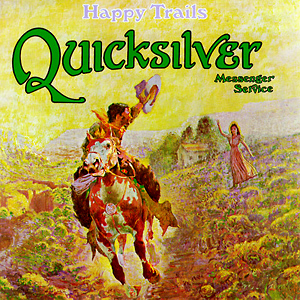
Rating: 6/10
Track Amount: 10
Running Time: 50 minutes and 16 seconds
Genre: Psychedelic/Progressive Rock
Personnel: John Cipollina (guitars and vocals), Gary Duncan (guitars and vocals), David Freiberg (bass guitars, piano and vocals), Greg Elmore (drums, percussion, piano and vocals)
Producer: Quicksilver Messenger Service
Recording Location: Filmore West, San Francisco and Filmore East, New York City
Record Label: EMI/Capitol
Art Direction: George Hunter
Best Tracks: Who Do You Love – Pt. 1
Quick Verdict: A good but rather bland attempt at cashing in on Progressive Rock
In retrospect, this is an odd album release, if there ever was one. A release in the late 1960s, being primarily of a mish-mash of live performances, with the rest of the album being studio recordings? Sounds like a weird trip for sure. The first half of the album is an extended live jam of Bo Diddley’s “Who Do You Love?”, while the rest of the album is a rather odd collection of instrumentals and songs, including covers. Despite all this, the reviews for this album, both at the time and today, have been overwhelmingly positive, for the most part. This album has made it into music history regardless, including the 1001 Albums You Must Hear Before You Die book. In any case, let’s take a listen to this journey, and hopefully it will be a rewarding listening experience.
1. Who Do You Love – Pt. 1 begins with some searing guitar notes, leading into a Bluesy sort of weird performance, leading into the main song at hand. This sounds simple, pleasant and good for what it is. The guitars make for a very descriptive performance, alongside the drumming as well. This does sound quirky, yet cool. This continues on sweetly and melodically very well for some time. A really cool and pretty instrumental is present, followed by the bass guitar leading into the song section at hand. A great sort of Hippie anthem listening experience. Nonetheless, although this has been performed before, the music is as sweet as homemade wine. A really awesome and lively listen that delivers. The vocal harmonies are quite sweet to listen to throughout. The song plays along nicely, in a Cream sort of fashion, which sounds really nice. It segues into the next track.
2. When You Love is the next section of the first half of the album, with guitars galore in this section. It sounds like Tony Iommi of Black Sabbath was paying serious attention to this live performance. The playing isn’t a million miles away from what he could do. This is definitely good music to listen to, with some outstanding lead guitar soloing, with the rest of the band duking it out for attention at the same time. If you love the electric guitar as an instrument, no doubt that you will love this tune if you listen to it. It goes a bit subtle towards the middle of this particular section. Given that this is a freeform jam from back in the late 1960s, it is extremely good to listen to. All in all, this music is really quite magical to hear. The electric guitar goes from front and centre to subtle, with some nice hammer-ons in the process of it all. A really sweet and awesome listen. No doubt the Hippies of the time at Woodstock would have loved to hear this sort of music. It would be perfect to take LSD to. Nonetheless, a seriously good and amazing tune at hand is here. It has a great and expressively awesomely beautiful impact on the listener. It continues on right into the next section very nicely, with some proto-Black Sabbath playing.
3. Where You Love continues the sonic adventure with some warped and rather 1960s-sounding trippy guitar playing. The expressiveness of Quicksilver Messenger Service is very much alive and well on this album. Even Syd Barrett of Pink Floyd had some genuine competition on this album. This music is very far out and likely designed to enhance any Psychedelic drug-taking experience that one can experience. This section of the album is very subtle, but awesomely so. Every is super low-key on this tune. It does sound quite interesting as well. There is a touch of what sounds like slide guitar as well, which is very odd. The music and listening are very deeply intense, sounding like a warped and trippy Psychedelic pastiche at hand. The bass guitar also follows a similar journey. This is a very unusual and different listen, for what it is. You can hear the audience clap and cheer along at this point as well. Obviously, they were hearing history on this live performance. This warped and weird music is different to much else, both in the studio and live, recorded up to this point in life. It gradually builds up to a rather dark and crazy sounding frenzy at hand, with a call-and-response sort of action going between the band and the audience. Very, very odd. It leads into the next section, being very minimal.
4. How You Love leads into a much more standout moment of the first half of the album, with some sweet and expressive upbeat guitar lead work returning. This sounds very, very good to listen to. The guitars are really driven and fantastic. It seems that the Quicksilver Messenger Service had talent beyond expectations. Very, very cool to listen to. This album will change all expectations of how one hears music. All in all, this sounds incredibly cool. The differentiation in guitar playing and techniques throughout is really fantastic overall. A decent continuation of the live performance at hand. Cool stuff.
5. Which Do You Love begins with some interesting guitar work and fuzz bass guitar to match it. Again, this is a tremendously logical and forward-thinking music effort. This continues this great jam band piece very nicely. It is also much more listenable than the likes of The Velvet Underground. All in all, a really cool and interesting tune is at hand. The music that is present is of a great and unique quality. This gets into more of a groove towards the end, before leading into the final section of the piece.
6. Who Do You Love – Pt. 2 begins with some smooth singing, which sounds really cool and pretty. This music continues to progress nicely with interesting Psychedelic lyrics, which make sense, given that this was music from the late 1960s. This gradually progresses into an exciting and intense build-up of subtle Rock Music energy, which sounds absolutely awesome to listen to. There is a huge amount of theatrical suspense on this tune, more so than The Doors song The End, for example. The sounds and musicianship play beautifully, along very smoothly and softly. One can literally hear the intensity of such a musical approach. Some Syd Barrett vocal percussion kick-starts the next section of music, which is more lively and dramatic than you would ever expect. Nonetheless, this tune does sound sweet and marvellously great to listen to. A forward-thinking and punchy piece of music emerges in the second half of the song, with references to a lady “fooling around with the devil”. Typical Blues/Rock lyrical matter. This is a joyous burst of energy that sounds great and matters as a listening experience. The guitar work eventually leads this section near the end, with some tuneful leads and feedback. A really awesome tune that sounds killer. Overall, a really nice finale and finish with crashing drums wraps up this tune. It finishes up with the crowd cheering nicely for this one.
7. Mona begins with a fade-in of music, with a memorable and catchy guitar riff at hand. Pounding drums are present here as well. This seven-minute-long piece quickly gets into gear and sounds very, very 1960s. Of course, this is a band influenced by the musical changes in that decade, and they represent this with a simple, rough and ready sort of recording vibe at hand. This music is especially interesting for a very live recording. Think the likes of the Jimi Hendrix song Voodoo Chile on his Electric Ladyland (1968) album, and you are there in terms of recording ambience, but having a more generic Hippie sort of quality about it all. Nonetheless, this music definitely has a fantastic and tremendous power to it. The sounds and musicianship throughout are solidly good, even if this is a lengthy listen with a fairly uninspired guitar sound. Not to worry, the playing is excellent. This music maintains its level of listening interest and consistency throughout. In the second half are duelling guitar parts, which sound somewhat different. The musicianship and playing throughout are genuinely magnificent to hear. The guitar work is a good example of the future of Psychedelic and Progressive Rock jams. To be fair, other artists such as Cream and Jimi Hendrix were more jaw-dropping than this. Still, this is definitely listenable overall. A good tune with some interesting wah-wah guitar and interesting singing to wrap up with. Not bad to hear overall. This is cool and different, albeit not revolutionary. Good for what this is.
8. Maiden Of The Cancer Moon segues in from the previous track. It has some awesomely powerful and unique electric guitar leads to listen to. This music continues on quite nicely and sounds really cool as well. With some neat and proto-1970s Hard Rock playing and performing, this sounds really delightful indeed. Indeed, if you identify as a Cancerian (born in June or July), this song may sound appropriate for you if you dig it. The playing and performance, regardless, is an introspective and interesting listen. Very much in theme with the Hippie movement on a musical and instrumental level as well. A seriously supercharged and powerful listen throughout, this makes a good deal of listening pleasurable. Great to hear throughout.
9. Calvary is an extended piece of music, at over 13 minutes long. It begins with repeated riffing, pounding drumming and launches into music mayhem at hand. This gradually launches into action with an elongated intro, going from subtle to loud fairly easily. Acoustic guitar also enters briefly, followed by some loud and interesting playing from the group. This is interesting, but although the music is good, it is unmistakably bland. Even so, there are gong percussion hits and a ton of suspense throughout this. At least it is not 20 minutes of Yoko Ono wailing; this is much better than that. Still, this instrumental is more of a slow-burner than an attention grabber. The acoustic guitars eventually become more prominent, and this tune slowly rolls along. To be fair, this is a bit too slow for the average listener’s enjoyment. It just takes forever to get going, and unnecessarily drags this album down. More of the acoustic guitars playing away and less of a Rock Music structure would have been better. This is just a flaw of this album. Yes, it is good music to listen to, but it seems to be bland garage rock, for the most part. Eventually, overdriven electric guitars and acoustic guitars mesh together in a way of their own. Choir-like backing vocal harmonies emerge as well. This tune hasn’t aged terribly well, although it does get more interesting as it progresses. All in all, a good effort but too slow in its overall progressions to be out there great. This continues on in too much of a subtle way, although the rush of harmonies in and out of audibility is quite neat. Still, the album is nearly finished, in more ways than one, by this point. A clock chime via keyboard signals the buildup in intensity and suspense during the midsection, leading into the second half. This music plays on well past its welcome, to be fair. Some subtle editing would have definitely helped this track. In any case, the wah-wah guitars and drumming in the second half do deserve credit. This continues on into the abyss of music. This will appeal to Progressive Rock fans, but people who just want to hear Pop/Rock tunes will definitely be frustrated by this absurdly long tune. Feedback-laden guitar hum then emerges, which isn’t necessary to the overall music picture, and could have been chopped out via some tape editing. This is not on for an album often regarded as an overlooked classic. The volume swells have little appeal, unless you want to test out your ears to guitar feedback. This is just rather pathetic to listen to. If you want a real band from this era, check out Cream’s live albums and compare them to this nonsense. It gradually gets back to a sense of normal musicianship at hand, with a gong hit and the feedback slowly being drained away. The last section of the song is better, with acoustic and clean electric guitar playing over percussion. Too little, too late, to be fair. Eventually, the feedback and other sounds return, goodness knows why. This isn’t particularly musical at all. Acoustic guitars conclude this tune, and the tune gradually wraps up there. At last. Some electronics are present in the long fade-out.
10. Happy Trails is the closing song and is a cover of an old TV tune. It begins with some acoustic guitar and some sweet singing with Fender guitars. Short but sweet, this does have an innocence and consistency that is refreshing. Not too bad here. It finishes up the album with piano, whistling, and a joyous experience to be heard. A good finale.
This album is a good, but fairly mixed listening experience. There are some great moments, average moments and especially in the latter half, some moments that we did not need to hear. Even so, this album has been elevated to iconic status. It does not deserve that respect; it sounds like any old Hippie band of the time, and the music certainly is just a live jam. Nothing special here. Only listen to this if you feel truly compelled to do so; otherwise, you can find better late 1960s era music by The Beatles instead.
If you like this article, please like, share, comment and follow me on The Ultimate Music Library. Thank you, Chris Airey.
 The Ultimate Music Library