
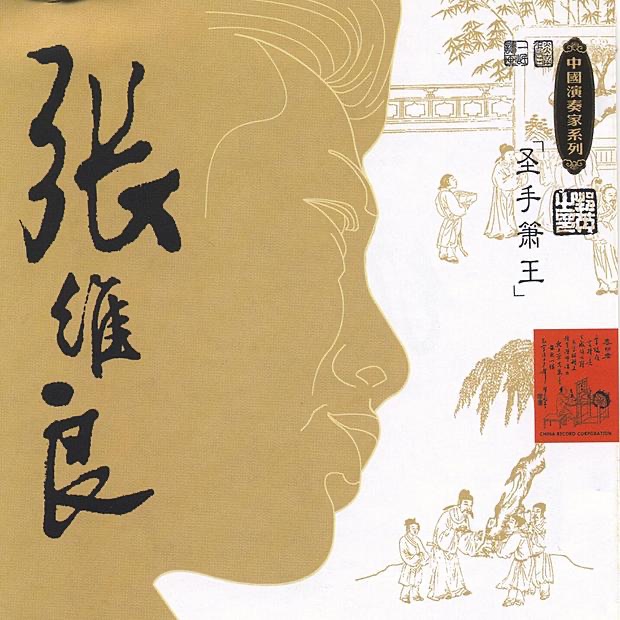
There is something deeply wonderful, moving and rewarding about exploring a different country’s culture. Often the starting point for this appreciation is via music. This is obviously a release aiming at spreading awareness of Chinese music and culture to a much wider and broader international audience. Chinese Classical music composer Zhang Weiliang has delivered here an hour long listen designed as an album that aims to respect the interesting, varied and deep culture of China itself. Let’s take a listen to this album and we can hope that the listening experience will be a very rewarding listen.
At The Dressing Table begins with some beautiful lone wind instrumentation playing away. This is soulful and interesting. Soon enough, touches of percussion and a Zither enter, making this piece very moving and of course, listenable. A fantastic piece of music is here for all to listen to. The wind instrumentation and Zither mix together super sweetly. A grand, interesting and dynamic instrumental that sounds great to this very day. It sounds incredibly beautiful and sweet to listen to. This is genuine proof that Chinese instrumental music has power. The second half of this instrumental is louder and more frenetic than the first half of it. Indeed, this is a mindblowing and wonderful listening experience. Perfect for playing in the background or for showing your Chinese friends you respect their music and culture, this is a joyful and fantastic listen. Excellent to hear. This tune eventually wraps up nicely, with touches of Chinese percussion towards the end. A great start to the album.
Moored By A River On An Autumn Night begins with gong hits that are extremely atmospheric and subtle. Soon enough, some eastern wind instrumentation enters and this piece gets going. Some percussion enters as well, and this thing comes alive. The best word to describe this piece of music is soothing, but even so, there is much more to it than that. Nonetheless, it sounds slow and suspenseful. It is very awesome as well, to put it clearly. Zhang Weiliang is a good crafter of traditional Chinese music and he will take you places you have not been, at least musically. It sounds interesting. Towards the middle, there are some call-and-response Zither sections that support the wind instrumental. This is a very lovely and spiritual listening experience that sounds super cool. The music progresses nicely and sounds really timeless and dramatic in its own way. A pleasant musical journey straight from China in the Far East. In the second half, this tune plays sweetly and melodically, just flowing nicely throughout. This music tells a great story of Chinese history and musically is exciting. The wind instrument solo section in the second half is eerie, along with the occasional gong hits. A warped and lovely tune, this could have been shortened at some point, being an obvious flaw of this tune. Nonetheless, it is a pretty and lovely effort for what it is. Towards the end are some beautiful musical flourishes. A great, great listen for what it is, although its length is rather questionable. It ends with fluttering playing on the wind instruments, before gently concluding.
Wild Geese Descending On A Sandy Beach begins with wind instrumentation, what sounds like a plucked Zither or Pipa and has a very melodramatic and excellent sound to it. This is slow, sensual and very nicely detailed for this kind of music. It just works. The music here does really sound amazing and excellent. A really gorgeous and interesting listening experience, this does sound really precise and amazing as an instrumental piece. This music is fine and fantastically gorgeous simultaneously. Understandably, Chinese Classical music will not appeal to everyone out there, but appreciating it and the different Chinese dialects will assist in growing one’s consciousness about China, one of the greatest powers of the East. Really cool tune and instrumental here, it sounds really lovely and pretty throughout. An inspired and thoughtful listen. Although this is fairly minimal in terms of layering of sounds, the melodies and playing make up for it. In the second half, there is a bit of a breakdown with the wind instrument only, followed quickly by a pseudo-musical duel between that instrument and the Zither. Right towards the end, the Zither goes alone and this sounds a lot like Chinese slide guitar. The music then slowly and gradually reaches its logical conclusion, which is peaceful and pretty sounding with a sustained note from the wind instrument. Interesting listening.
Plum Blossom Melody – Three Variations begins with more wind instrument melodies and slowly and gradually moves along. Eventually, other instrumentation enters the scene in fragments in the background. Eventually, the supporting instrumentation enters nicely and we continue along our Chinese musical journey. This does sound amazing, interesting and fantastic for what it is. The sounds and melodies are well structured and progress very nicely throughout. Nonetheless, this sounds very consistent, excellent and wonderful throughout. If there is a slight flaw with this music, it is that these tracks take a while to begin and progress musically. All the same, this works a treat. The beauty and uniqueness of this instrumental music are easily able to awaken one’s consciousness about China, Chinese culture and people. Indeed, if you have ever studied Mandarin Chinese or have travelled to Beijing, Shanghai or anywhere that is similar in China, you will have an instant appreciation of this album. There are some harp-like Zither sounds in the second half, along with fluttering sounds from the wind instrument and a great deal of musical suspense. Unforgettable, particularly if you like the sort of music described here. This eventually wraps up and ends softly.
Whimpering is almost 12 minutes long. It begins with more wind instrument playing that is slow and haunting. It’s an unusual listen for an instrumental solo. It quickly changes pace and movement throughout. The melodies that emerge, along with percussion, will put one’s listening skills to the test. It sounds a little forced here, not overly natural. It’s not bad but frankly, could be better done. The wind instrumentation and melodies sound really strange in this tune. This takes some time to get started as a piece of music and to be fair, this is lacking. The music sounds a bit discordant and weird. Some racing percussion interludes are here as well, which fortunately make things a bit more interesting musically. This is very experimental sounding for Chinese Classical music, and to be fair, isn’t the best. Experimental music and Chinese Classical music don’t go together very well. Regardless, this is okay, but you can find better music elsewhere. Towards the middle of this super long piece, the wind instrument flutters in and out of earshot, followed by touches of percussion and the wind instrument returning. The music continues to be full on in terms of melodic experimentalism throughout, ranging from listenable to unpleasant at different points of this instrumental. In the midsection, there are some pretty and different pieces of melodic playing, along with some other percussion-based backdrops to support it. Very different music. Soon enough, this tune changes dramatically with loud percussion and wind instruments fighting it out together. Very unusual, but worth the wait. The tune continues with energy, passion and excitement throughout. There is a call-and-response that follows between squealing wind instrumentation and gong hits, before returning to more subtle musical territory here. This music does drag on for a bit, to be fair. It’s not the absolute best of Chinese Classical music, and it definitely takes up a lot of the time. Towards the end, this tune plays freeform wind instrument melodies and rushes fairly quickly back into discordant mode right towards the end. The percussion has some interesting moments here, battling against the windpipe playing. At this point, this track is far too long, and you can skip it if you wish to do so. That’s the advantage of this review, you have been warned. Regardless, this piece is a long and bitter disappointment musically. It finally stops, after over 11 minutes in length. Dull and not good enough.
Two Xiao Pieces begins with more wind instrumentation and playing that is different. A piano is here as well which clashes terribly with the wind instrumentation. This album is really beginning to fall apart by this point, and there is very little reassurance that this is good. It is not. If you want to skip or stop the album, by this point, it is thoroughly recommended. Sure, this is a lot shorter, but there is no redeeming nature of this music, sadly. It drags on and does no good for the listener really. It ends quickly, fortunately.
Xiao and Strings is super long at over 17 minutes in length. It begins with Western Classical music-styled strings and launches into a morbid and dreadful piece of listening. This is not how Chinese Classical music should sound, and it sounds like a weird amalgamation of East and West. To be fair, one should make more consistent and less experimental music than this on an album of this sort. It sounds awkwardly made and produced. A lot of this music sounds ordinary and way too experimental to be really taken seriously. Less style and more substance are required here. The music here isn’t overly dull but it just doesn’t sound right. Other Chinese Classical composers and creators have done much better than this, and that is fairly clear to hear in their own works. This garbage is neither upbeat, joyful nor memorable. It just sounds like junk. There is room for an experimental musical nature in music, but this is not a good example of how this should be done. It’s not the worst album ever made, but for a listen in this sort of style, this is just not good enough. A real drag to listen to, enough for one to roll their eyes with. A lack of consistency is present throughout these works. A lone wind instrument solo emerges towards the middle, and this tune continues to play along nicely for a change. This solo section is very quiet and different. Still, this album is a mixed listen. Elements of this solo come and go through the recording. This is better than before, but still not quite there in terms of overall quality of music. This is enough to send oneself to sleep by this point. In any case, this is not a world-class statement. Towards the middle of this tune, the wind instrument solo drags on and on, rather unnecessarily. This is neither pretty nor inspired music. The squeaky playing that is in the second half makes this even worse. There is plucked and muted instrumentation, followed by more awful wind instrumentation. This album should really be called An Awkward Fusion of the East and West. Seriously. If you want to stop this album, you can do so now with little regrets. A sustained wind instrument note and other melodic backing instrumentation then arise, and this piece drags on drearily throughout the second half of it. Strings return, and this piece sounds like a nightmare in slow motion. You will likely understand by this point that this album is garbage. Soon enough, strings and other Western instruments enter to surprise you. Still, this music drags on and on unnecessarily. This is supposed to be Chinese Classical music, not a very poor imitation of Western Classical music composers. The tune continues to progress, with some dramatic string playing and other sounds that are out of place here. It’s a drag to get through. Even the lesser efforts by Progressive Rock giants are more interesting and consistent than this nonsensical garbage. The tune continues to roll on as one rolls their eyes at it. A poor attempt at fusion-based music. Eventually, this moves along with clunking noises (honestly, why?) in the background and other musical elements throughout. Towards the end is a poor mixture of melodies, structure and changes that prove that having extra long songs does not guarantee that you will make any good of the time there. As this gradually winds up, you’ll thank yourself that some artistic musicians with little to no knowledge of musical theory such as on this album did not make it big. The ending of this tune is underwhelming, and it finally ends after 17 minutes. Woeful.
Chinese Parasol In The Moonlight is the last track on this ordinary release. Fortunately, it is under five minutes in length. It begins with more wind instrumentation, along with some Zither instrumentation and sounds much, much better than what we were promised before. A good listening experience, this sure sounds deep and interesting. A vast improvement on the previous few tracks and a soothing, calming listen. There are what sounds like acoustic guitars here as well. It just goes to show that the artist isn’t always right on their own recordings, and the producer of this album could have edited many of the sections of the other songs to make it a lot more like this tune. A sweet and gentle listening experience, this still doesn’t make this album a classic album, but this tune does sound good. In any case, the melodies and playing are awesome here. A better and more refreshing musical take on this album, Chinese Classical music is a promising art form indeed. Towards the end are fluttering melodies and excellent playing, and this slowly and gradually unwinds to a logical conclusion. Decent tune.
This is not a great starting point for Chinese Classical music. As mentioned before, the music on this album is a terrible mash-up of Western and Eastern Classical music that is very underwhelming. The music is very patchy as a result. The music is a bit of a letdown, more so than what was promised from the outset. Should you listen to this album? Probably not, it would be better to suss out a Spotify playlist with Piano Classical Music compositions instead. This just isn’t good enough overall, simply put.
A very weak effort.
5/10
 The Ultimate Music Library