
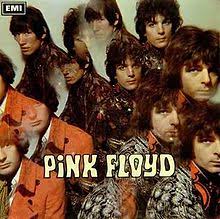
Pink Floyd created music as an art form. It was self-consciously that way, and there was no pretension about it in their work as musicians. The original lineup of Pink Floyd consisted of Syd Barrett on guitars and vocals, Roger Waters on bass guitar, Richard Wright on keyboards and drummer Nick Mason. These four men knew each other from their art school background. Within this context, the group moved quickly from rhythm and blues covers to a full-blown psychedelic art form of their own, which very few ever came close to. Recording with producer Norman Smith who was from a completely different musical background to Pink Floyd themselves, this is considered one of the masterpieces of Psychedelic Rock in the late 1960s, conveniently released in 1967 at the height of the Hippie movement. The album was recorded in Abbey Road studios, just next door to The Beatles, who were finishing off their own Sgt. Pepper’s Lonely Hearts Club Band opus magnum at the time. In any case, let’s take a good listen to this album and we shall hear where it takes us.
Astronomy Domine begins with some distorted vocals stating the stars in the Milky Way by one of the band’s managers, Peter Jenner. Morse code enters, along with some awesome Fender Esquire guitar parts. Soon enough, a build-up of sounds occurs and the song begins. Instantly, one can hear this fantastic piece as it is. We are in for a great trip through inner and outer space on this song. A great mixture of ascending/descending sounds is here. A breakdown occurs with some awesome electronic guitar delays before the song kicks back into action. The guitar solo that follows is indeed, magical. This song is an instant classic, and it does sound really awesomely great. In the second half, the distorted vocals return amongst many intricate drum rolls, electronics and precise playing by Syd Barrett on guitar. Some random lyrical singing then follows, and this magical song will take the mind where most forms of music can only dream of. This wraps up with some surreal lyrics and music to conclude this awesome song. Fantastic.
Lucifer Sam is an interesting song, which begins with some descending and groovy guitar parts, along with organ and maracas. This is so Psychedelic that it should be the sort of music to trip on LSD with. In fact, it largely was. Syd Barrett sings about said cat in the song’s title, and its mysterious ways. This music is a sensationally great listening experience that works wonders. The lyrics are insanely imaginative, psychedelic and cool. A multitracked set of guitars are present in this solo section, before entering into the second verses of this song. In any case, this is a real gem from Syd Barrett era Pink Floyd, and it proves that they were brilliant from the start. In any case, a very good and charming listening experience giving many comparisons to said cat. The outro is magnificent, with pleasant harmonies, microphonic guitar feedback and awesome instrumentation. It doesn’t get any better than this.
Matilda Mother is a childlike storytime fantasy. Indeed, no doubt Syd Barrett was influenced by books such as The Wind In The Willows and Alice In Wonderland which were Psychedelic trips in a way. It begins with some plucked bass guitar, some great sounding melodies and launches into a downtempo tune that is highly influenced by psychedelic drug use, namely LSD. Regardless, this is a gorgeous listen, with simple singing by Syd Barrett, pleasant guitar riffs, melodic basslines, great electronics and sturdy drumming. Towards the middle, this launches into a pseudo-beatbox section which sounds great along with the organ solo at hand. There is so much going on here. A pretty, lovely and magical song about childhood pleasantries, this is another winner of a song. It wraps up with a super long outro with some decent and tuneful harmonies, which would likely sound great when high. An awesome listen.
Flaming begins with some awesome organ and whistling sounds before this enters into a song of Psychedelic fancy. Syd sings so innocently here, “No fear, you can’t hear me, but I can you” and this has the sound of cutlery to indicate the buttercups in this song. This sounds youthful, innocent and fantastic to this very day. It should bring tears of happiness to one’s eyes. There is a multitracked keyboard solo section with great drums and percussion present here, along with a harpsichord piano solo section. The song ends with a repeat of the first verse. Absolutely brilliant. It ends with cutlery clanging and a prominent organ.
Pow R. Toc H. is an instrumental that is Jazz-inspired. It begins with Syd Barrett doing some proto-beatboxing, some duck imitation sounds from Roger Waters and launches into a glorious jam with acoustic guitars and professional playing on the piano and drums. Indeed, this is extremely catchy and wonderful to listen to. It’s all in the right channel in this section, but that is completely fine. A gorgeous song and something very unusual for Pink Floyd. Extremely catchy music, too. Soon enough, this breaks down into a darker-sounding section with more vocalised sound effects and some warped guitar playing by Syd Barrett. The hi-hat led drumming is very prominent in this part of the instrumental. It sounds rather chaotic, but very interesting musically. Twanging Fender Esquire guitar parts enter, and the yelping conclude before this launches into a much lighter-sounding organ section. A memorable guitar section then follows, with rolling drums galore. A nice and reassuring listen is present here. All in all, a great listen, period. The tune ends with chaotic guitars, drum rolls and more vocal sound effects. Top notch.
Take Up Thy Stethoscope And Walk is oddly enough, a Roger Waters song, even though Syd Barrett was the main songwriter at the time. It begins with snappy drums in the right channel, before launching into a brilliant song that the Hippies would have loved. This sounds fantastic throughout and is part childlike tune, part bizarre but loveable instrumental. The instrumental part of this tune gets going very quickly and sounds intense, psychedelic and furious throughout. This sounds fantastic, even if this was miles away from Pink Floyd’s live show material. Nonetheless, the music here is absolutely fantastic and is completely different to anything else ever recorded in the history of music. The instrumental section is stereo-panned to different channels, and this reaches an awesome climax with robotic vocals from Syd Barrett and that music is the cure. Brilliant.
Interstellar Overdrive is a 10 minute long instrumental on this album being the centrepiece of the album. It begins with clanging Fender Esquire guitar parts, along with some chugging bass guitar work. This sounds unbelievably great, and quickly enters into a very awesome guitar-led instrumental. The descending guitar riff is very unforgettable upon listening to it. Soon enough, we launch into a spacey Psychedelic Rock jam that is absolutely wonderful to hear. It captures the spirit and essence of 1960s LSD tripping: moments of glory and moments of darkness. Soon enough, the drums stop for a bit, just leaving Syd Barrett’s guitars and Richard Wright’s organs to create an eerie atmosphere. This is scary, yet brilliant simultaneously. The music here shows the very dark nature of human existence without lyrics or words. Soon enough, the band are gradually mixed back in with a huge array of different instrumentation that sounds really awesome. Roger Waters’s bass guitar parts are more melodic than groove-based, and Nick Mason’s drumming follows a similar path. The whole thing is a masterpiece of absolute chaos throughout. The midsection of this tune is a clash of different musicianship and instrumentation that most instrumentals would rarely ever get to. A bunch of descending melodies follow, and this larger-than-life musical trip sounds ingenious. Some great playing is present by Syd Barrett on his Fender Esquire, and this tune leads into a lone organ section at hand. This continues on for some time and sounds absolutely wonderful. Stereo-panned cymbal hits occur, and this LSD inspired piece gets insanely weird. It gradually builds up with all the instrumentation to a scary sounding climax present and just sounds unbelievably different from anything else ever recorded. Descending melodies enter, and this track sounds dark and weird. It is theatrical listening, no doubt about that. The band prepare for the finale, which has a ton of drumrolls, and a stereo panned bunch of guitars with the intro riff from earlier. Fantastic and mindblowing. It ends with Syd detuning his guitar and the band following nicely. Absolutely brilliant, it concludes with some percussive sounds and segues into the next track.
The Gnome begins with a simple bass guitar part and percussion, with Syd Barrett launching into action singing away nicely. This is a short listen that could easily be a fairytale about gnomes, with some childlike imagery and gorgeous music to match. A really cool listen, there are some fantastically recorded sounds here. “Look at the sky, look at the river, isn’t it good?” is double-tracked with singing and whispering simultaneously. Again, a magical song that deserves to be listened by more people out there and respected more as well. A great song that runs just over two minutes in length. Sweet.
Chapter 24 begins with some crash cymbals, and Syd Barrett launches into a song named after a chapter in The Wind In The Willows book. He sings some unusual lyrics about taking action in life, set to organ and piano throughout. Roger Waters does play some great bass guitar here. The pseudo chorus is magical, with some of the best harmonies you will ever hear on record. Syd Barrett was one of the most underrated musicians of the 20th century, and you can clearly hear why on this album. The repeated pseudo chorus has some of the most beautiful singing ever recorded in the history of music, and this repeats throughout. An organ solo section is present with some brilliant microphonic feedback that is thrown in for good measure. A journey through light and dark, this music will sound great forever. The ending has Syd Barrett singing those harmonies that will move one to appreciate this wonderful album even more. Excellent work, it has a spooky outro.
The Scarecrow was a B-Side of early Pink Floyd, which also appears on this album. It begins with mathematical clacked stick sounds and organ quickly enters. This sounds image-evoking, but not unpleasant. Syd Barrett sings nicely here and tells another comic book styled tale about a scarecrow. It is very imaginative, and Syd states, sadly, that said scarecrow is sadder than him. Understandably, this is a brief glimpse of Syd Barrett’s mental health issues, which worsened rapidly at the time. This song wraps up with some strings and slide guitar played with a Zippo lighter. Unique.
Bike is the last song on this album. It launches into a great song about things that one owns, and being in love. A really interesting song to listen to, it is youthful sounding and full of interesting and romantic imagery. Some neat musical touches are present here, including piano/harpsichord and other electronic sounds present. A simple song that is complemented with some great sounds by the rest of Pink Floyd. This song concludes early, with an invitation to visit a room full of clocks. Footsteps are heard, followed by levels and gears clanking to make clockwork sounds. This no doubt would have required many hours to perfect such a mixture of tape-based sounds. Clocks ticking are then present, followed by a bizarre outro with quacking ducks. An excellent finish to a legendary album.
This is, without a doubt, the greatest Psychedelic Rock album of all time. The combination of great music, lyrics and imagination sets this far apart from anything and anyone at the time. Sadly, Syd Barrett rapidly went into a LSD heavy drug induced decline by early 1968, and he agreed to leave Pink Floyd in that year as well. This album, his only one with the rest of Pink Floyd, is an absolute treasure to listen to. Should you listen to this album? Absolutely, your ears will thank you for it.
One of the greatest albums of all time.
9/10
 The Ultimate Music Library